
Anxiety is often misunderstood. Many people describe it as “just stress” or “overthinking,” but for those who live with anxiety disorders, the experience can be overwhelming, persistent, and deeply disruptive. Understanding what anxiety truly feels like and how psychiatrists approach treatment can help reduce stigma and guide people toward effective, evidence-based care.
Table of Contents
Anxiety Is More Than Worry or Nervousness
Everyone feels anxious from time to time, especially in stressful situations. Clinical anxiety, however, goes far beyond normal worry. It can feel like your mind is constantly on high alert, scanning for danger even when none is present. Thoughts may race uncontrollably, jumping to worst-case scenarios without warning.
People with anxiety often report feeling “out of control” inside their own minds. Reassurance from others may help temporarily, but the fear tends to return quickly. This persistent mental tension is one of the key differences between everyday stress and an anxiety disorder.
The Physical Sensations of Anxiety Can Be Intense
Anxiety is not only mental it is profoundly physical. Common symptoms include a racing heart, shortness of breath, chest tightness, dizziness, nausea, sweating, and muscle tension. Some people experience panic attacks that can feel so severe they believe they are having a heart attack.
These physical symptoms are caused by the body’s fight-or-flight response being activated too often or too strongly. Over time, this can leave individuals feeling exhausted, on edge, and fearful of their own bodily sensations.
How Anxiety Impacts Daily Life and Relationships
Living with anxiety can interfere with nearly every area of life. Work performance may suffer due to constant worry or difficulty concentrating. Social situations may feel draining or terrifying, leading some people to withdraw from friends and family.
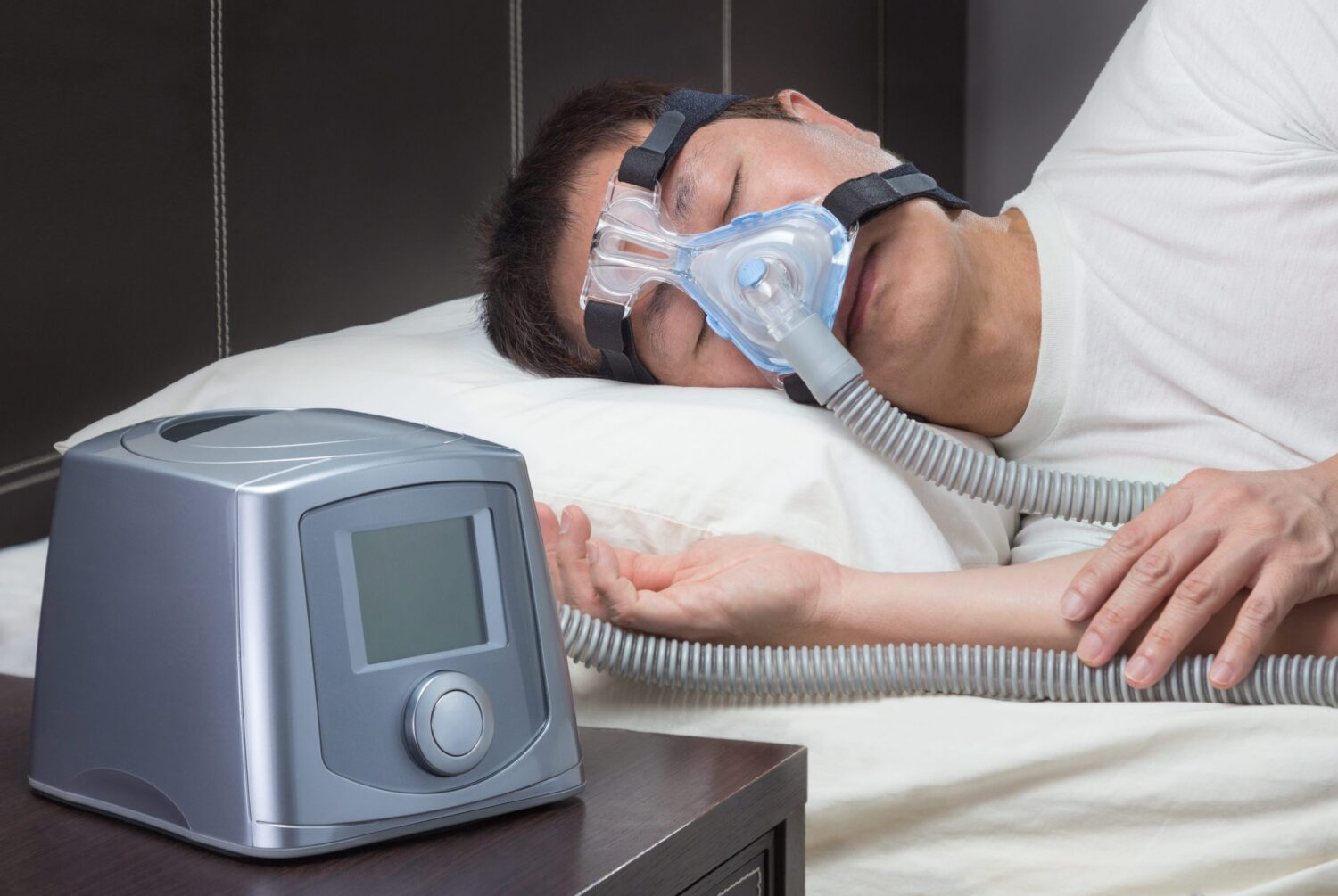
Sleep problems are also common. Anxiety can make it hard to fall asleep or stay asleep, creating a cycle where poor rest worsens symptoms the next day. Over time, untreated anxiety can contribute to depression, substance use, and reduced overall quality of life.
Why Seeing a Psychiatrist Matters for Anxiety
Psychiatrists are medical doctors trained to diagnose and treat mental health conditions, including anxiety disorders. Unlike self-help approaches alone, psychiatric care focuses on understanding the biological, psychological, and social factors contributing to anxiety.
A psychiatrist conducts a comprehensive evaluation to rule out medical causes, identify specific anxiety disorders (such as generalized anxiety disorder, panic disorder, or social anxiety), and create an individualized treatment plan. This medical expertise is especially important when symptoms are severe, persistent, or not improving with therapy alone.
Common Psychiatric Treatments for Anxiety
Treatment for anxiety often involves a combination of approaches. Medications such as SSRIs or SNRIs are commonly prescribed to help regulate brain chemistry and reduce chronic anxiety symptoms. In some cases, short-term medications may be used carefully to manage acute distress.
Psychiatrists frequently work alongside therapists to support evidence-based psychotherapy, such as cognitive behavioral therapy (CBT), which helps patients identify and challenge anxious thought patterns. Lifestyle factors sleep, nutrition, exercise, and stress management are also important parts of a comprehensive treatment plan.
Emerging Options and Advanced Anxiety Treatments
For individuals who do not respond well to standard treatments, newer and emerging options may be considered under medical supervision. One such option that has gained attention in recent years is Ketamine Therapy Savannah GA, which is being explored for treatment-resistant anxiety and mood disorders.
Ketamine-based treatments are not first-line therapies, but in carefully selected cases, psychiatrists may evaluate whether advanced interventions are appropriate. These decisions are always made based on patient safety, clinical evidence, and a thorough psychiatric assessment.
The Importance of Personalized Psychiatric Care
Anxiety does not look the same for everyone, and treatment should never be one-size-fits-all. Factors such as personal history, trauma, medical conditions, and life stressors all influence how anxiety develops and how it responds to treatment.
In communities like Savannah, individuals may seek care from experienced professionals such as Daniel Perry Savannah, where emphasis is placed on thoughtful diagnosis, ethical treatment planning, and long-term mental wellness rather than quick fixes.
Conclusion
Anxiety can feel isolating, frightening, and exhausting but it is also highly treatable. Understanding that anxiety is a real medical condition, not a personal weakness, is a powerful first step toward healing. With proper psychiatric care, many people experience significant relief and regain control over their lives.
If anxiety is interfering with your daily functioning, reaching out to a qualified psychiatrist can open the door to effective, compassionate treatment. You don’t have to navigate anxiety alone, and help is available when you’re ready to take that step.
Powered By: Wizard Digital